← Back to Research & Publications
Hieroglyphic cryptography
Write to conceal, reveal and transform meaning.
...
My research focuses on the cryptic mechanisms of hieroglyphic writing and their role in the symbolic, religious and political construction of pharaonic monuments, including in their spatial and volumetric dimensions.
Through an approach combining philology, epigraphy, and iconographic analysis, I explore how these devices create multiple levels of interpretation and structure discourses of power in ancient Egypt.
The study of cryptic devices also involves the material observation of monumental supports, where text and architecture interact.
Presentation of my research
This approach takes the form of an in-depth study of hieroglyphic cryptography, that is, cryptic writing and reading processes developed in ancient Egypt.
These devices are not simple decorative games. They rely on precise mechanisms: sign substitutions, symbolic combinations, visual interplay, and deliberate spatial arrangements. In some cases, the support itself - monument, architecture, or religious object - actively contributes to constructing the message.
In certain configurations, these mechanisms also involve a spatial organization of discourse. The arrangement of the signs and the material form of the support then jointly contribute to the production of meaning. This dimension can lead to the identification of devices that I designate as forms of three-dimensional cryptography.
I use this expression to designate configurations in which the message is not only based on the linear reading of hieroglyphs, but also on their spatial organization and on the material form of the support. Meaning is thus constructed at the intersection of text, image and volume.
My approach lies at the crossroads of epigraphy, philology and iconographic analysis. It aims to understand:
- how these cryptic systems work;
- what audiences they were intended for;
- what they reveal about the religious, political and intellectual thought of ancient Egypt.
This research shows that certain inscriptions have several levels of reading: an immediately visible meaning and another, more discreet, sometimes accessible to specialized readers.
All this work is part of a broader program devoted to the cryptic forms of monumental writing across different periods of pharaonic history.
Pharaonic monuments: secrets still to be revealed
Even today, monuments studied for generations can still reveal new elements. Far from having exhausted their interpretive potential, some carry graphic and symbolic devices of great complexity, sometimes imperceptible at first glance.
The study of cryptotexts thus shows that these monumental works remain dynamic spaces of analysis, capable of renewing our understanding of the thought and intellectual ingenuity of ancient Egypt.
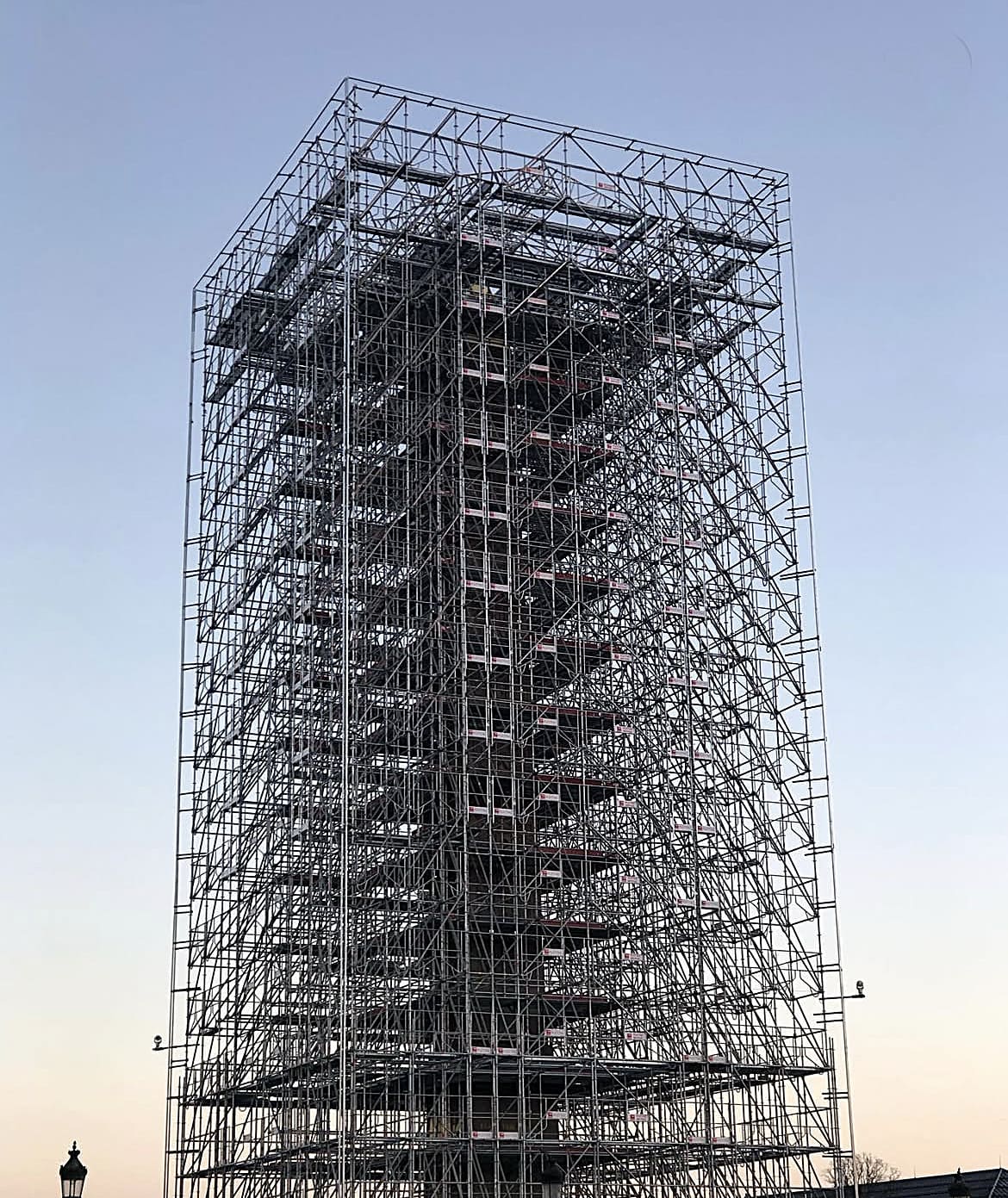
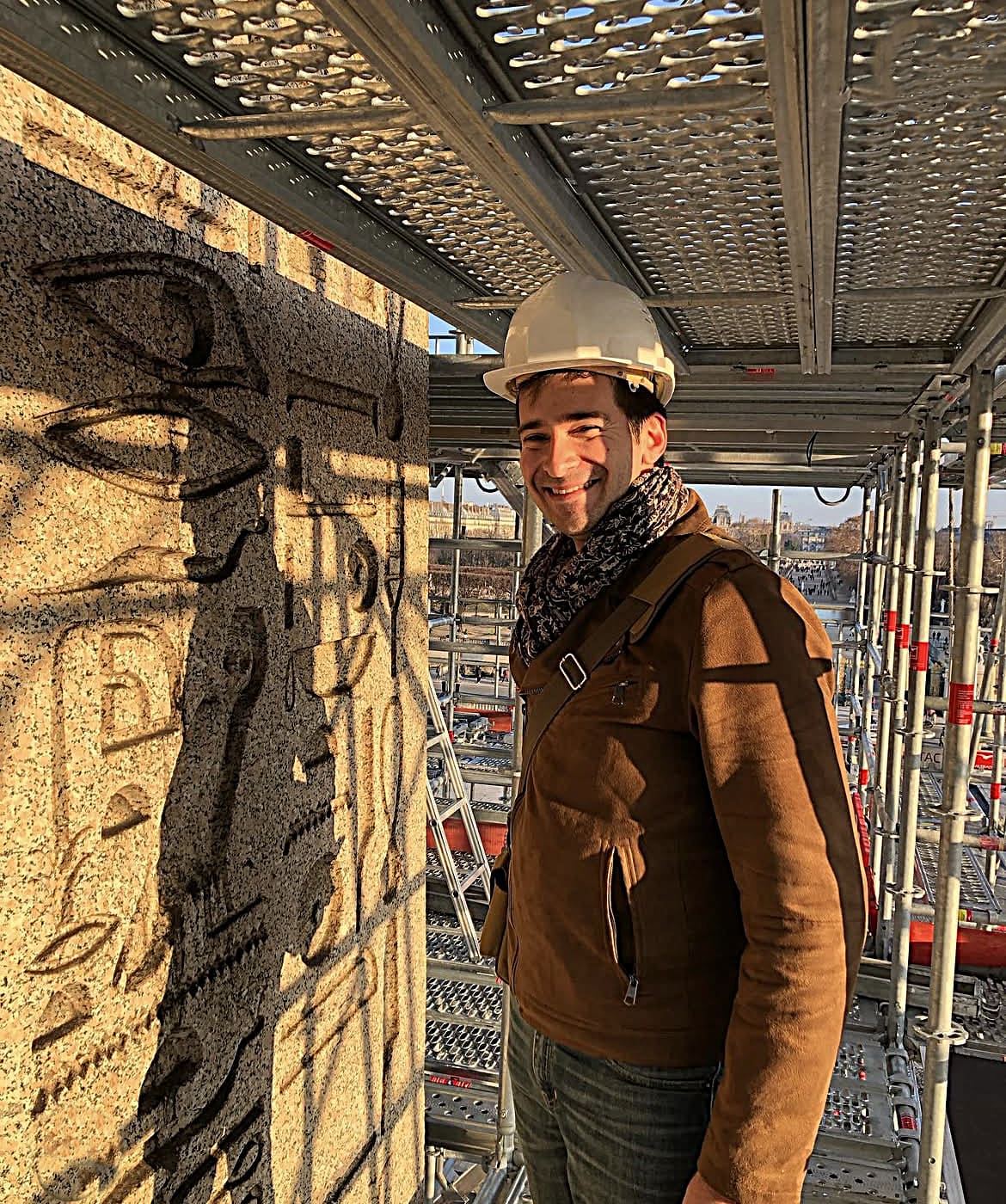
The analysis of the obelisk is based on a direct reading of the inscriptions, made possible by in-depth observation of the monument.
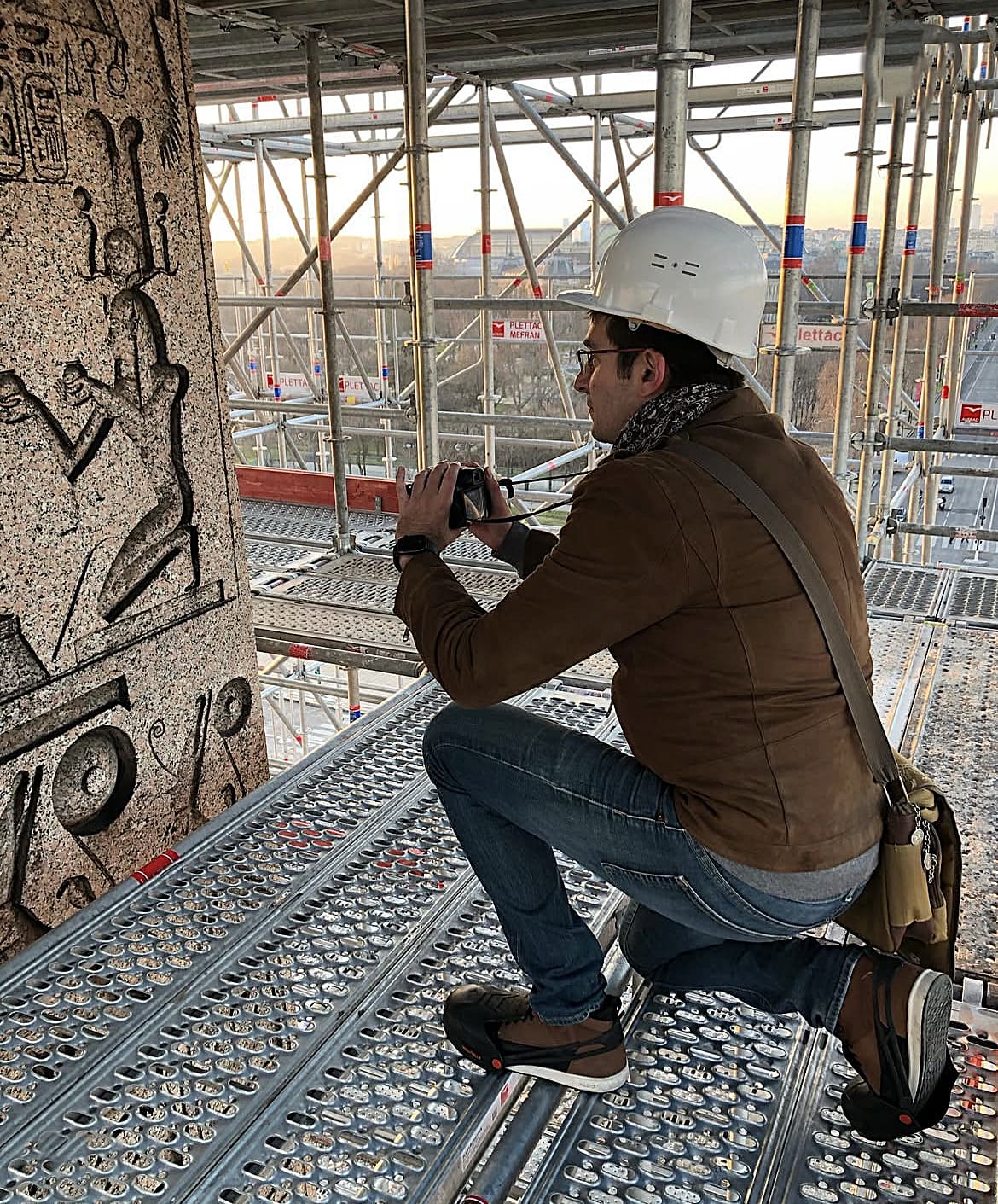
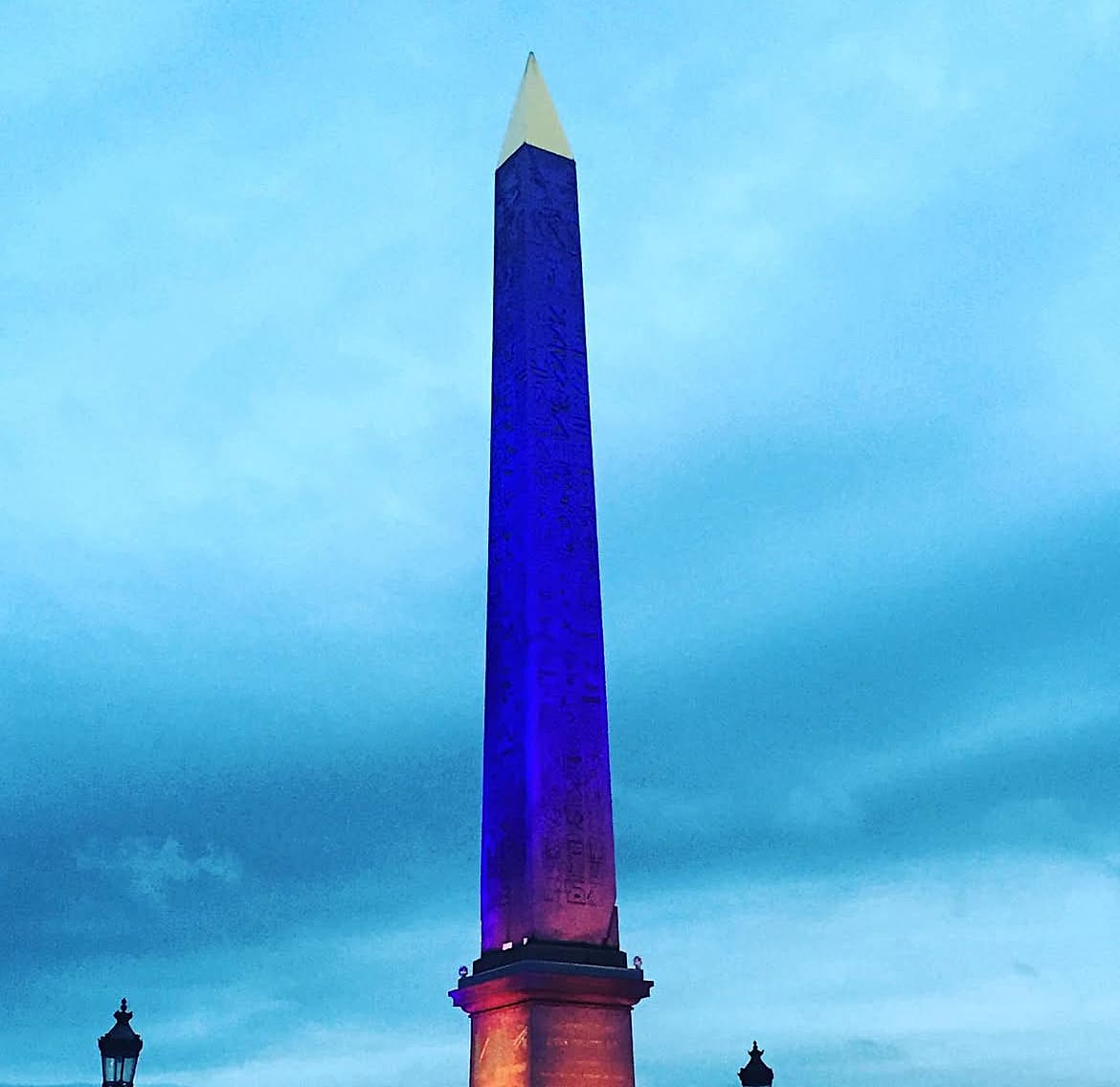
The Obelisk of Concorde: new readings
My research on the Luxor obelisk, now erected on Place de la Concorde in Paris, led me to identify several cryptotexts integrated into the structure of the monument itself.
The analysis highlights a message of legitimation addressed to the pharaonic elite during the reign of Ramesses II. It also highlights an evolution in royal protocol, with the addition of the name “Sétepenrê” to the cartouche of Usermaâtré, reinforcing the claim of divine election.
The iconographic study also reveals that one of the upper scenes differs from the others. This variation takes on its full meaning in the original ritual context of the monument, visible from the Nile during processions linked to the Opet festival.
To date, several cryptographic inscriptions have been identified on the obelisk, and research is ongoing.
Some media have mentioned a “new Rosetta Stone” or referred to a “21st-century Champollion.” These expressions are journalistic and reflect the interest generated by the fact that such a well-studied monument can still reveal previously unpublished elements.
Scientific publications
Article
OLETTE-PELLETIER, Jean-Guillaume.
“A living key to the language of the gods. An example of three-dimensional cryptography on the child's throne of Tutankhamun (Carter n° 39 / JE 62033 / GEM 378)".
Bulletin of the French Institute of Oriental Archeology
, 2021, vol. 121, p. 397-411.
DOI :
10.4000/bifao.9365
OLETTE-PELLETIER, Jean-Guillaume.
“The hidden ring of the golden scarab. Cryptic double writing on a pectoral of Tutankhamun.
Egypt, Africa & East
, 2019, p. 31-38.
Work
OLETTE-PELLETIER, Jean-Guillaume.
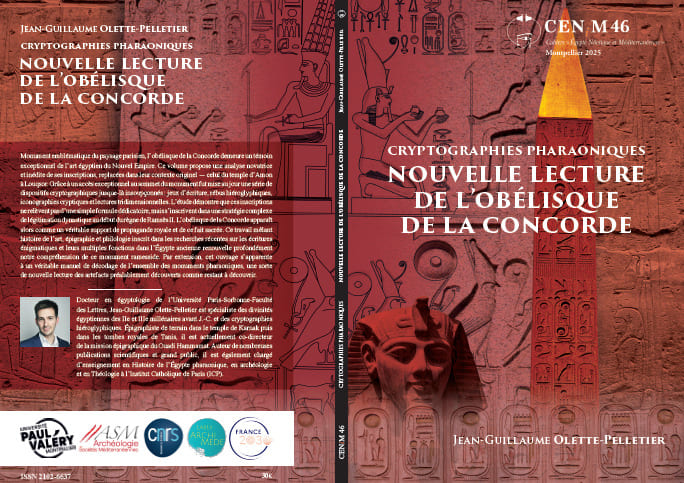
Pharaonic cryptographies. New reading of the Obelisk of Concorde.
Montpellier : CENiM, 2025 (CENiM, 46).
Publisher information:
CENiM — Éditions ENiM
This work develops a new reading of the inscriptions on the Obelisk of Concorde in light of the mechanisms of hieroglyphic cryptography.
Scholarly communication
OLETTE-PELLETIER, Jean-Guillaume.
« Cryptic iconographies and cryptographies on First Intermediate Period stelae ». 2020.
Available on
Academia.edu
Scientific presentation devoted to iconographies and cryptic inscriptions observed on stelae from the First Intermediate Period.
Press and media coverage
The work devoted to the cryptographic inscriptions of the Concorde obelisk has generated media interest in France and internationally. The following articles are journalistic pieces intended for a general audience:
- « Several hidden messages discovered on the Obelisk of Concord by a French Egyptologist ». Sciences et Avenir, April 15, 2025.
- « A language with several levels of reading: what the coded messages discovered on the Concorde obelisk reveal ». Le Figaro, April 16, 2025.
- « “A three-dimensional cryptography”: coded messages deciphered on the Concorde obelisk ». BFMTV, April 17, 2025.
- « There are probably others: a French Egyptologist discovers hidden messages on the Concorde obelisk ». TF1info, April 17, 2025.
- « The 6:20 a.m. guest — France Inter ». Radio France (France Inter), April 17, 2025.
- « Secret messages decoded from Luxor obelisk in Paris ». The Times, April 18, 2025.
- « Several hidden messages on the Concorde obelisk ». Egyptian Progress, April 21, 2025.
- « Egyptologist discovered hidden hieroglyphics on the Obelisk of Concord ». TF1info, April 23, 2025.
- « Secret messages detected on Egyptian obelisk in Paris ». Archaeology.org, May 6, 2025.
- « Expert identifies ancient propaganda praising pharaoh, may have challenged Moses ». Fox News, May 21, 2025.
- « ENCOUNTER. This Egyptologist deciphered hidden messages on the Concorde obelisk in Paris ». Ouest-France, June 11, 2025.
Conferences and institutional interventions
On December 1, 2025, a conference devoted to the mechanisms of hieroglyphic cryptography and new readings of the Obelisk of Concorde was held in Marseille, at Tour La Marseillaise, at the initiative of Mr. Amr Elrachidi, Consul General of Egypt.
Organized as part of an event marking the opening of the Grand Egyptian Museum (GEM), this intervention presented the research results to an institutional and diplomatic audience.
Conclusion
The study of hieroglyphic cryptography shows that pharaonic monuments are not only vestiges of the past: they remain complex intellectual constructions, certain dimensions of which still remain to be explored.
Acknowledgments
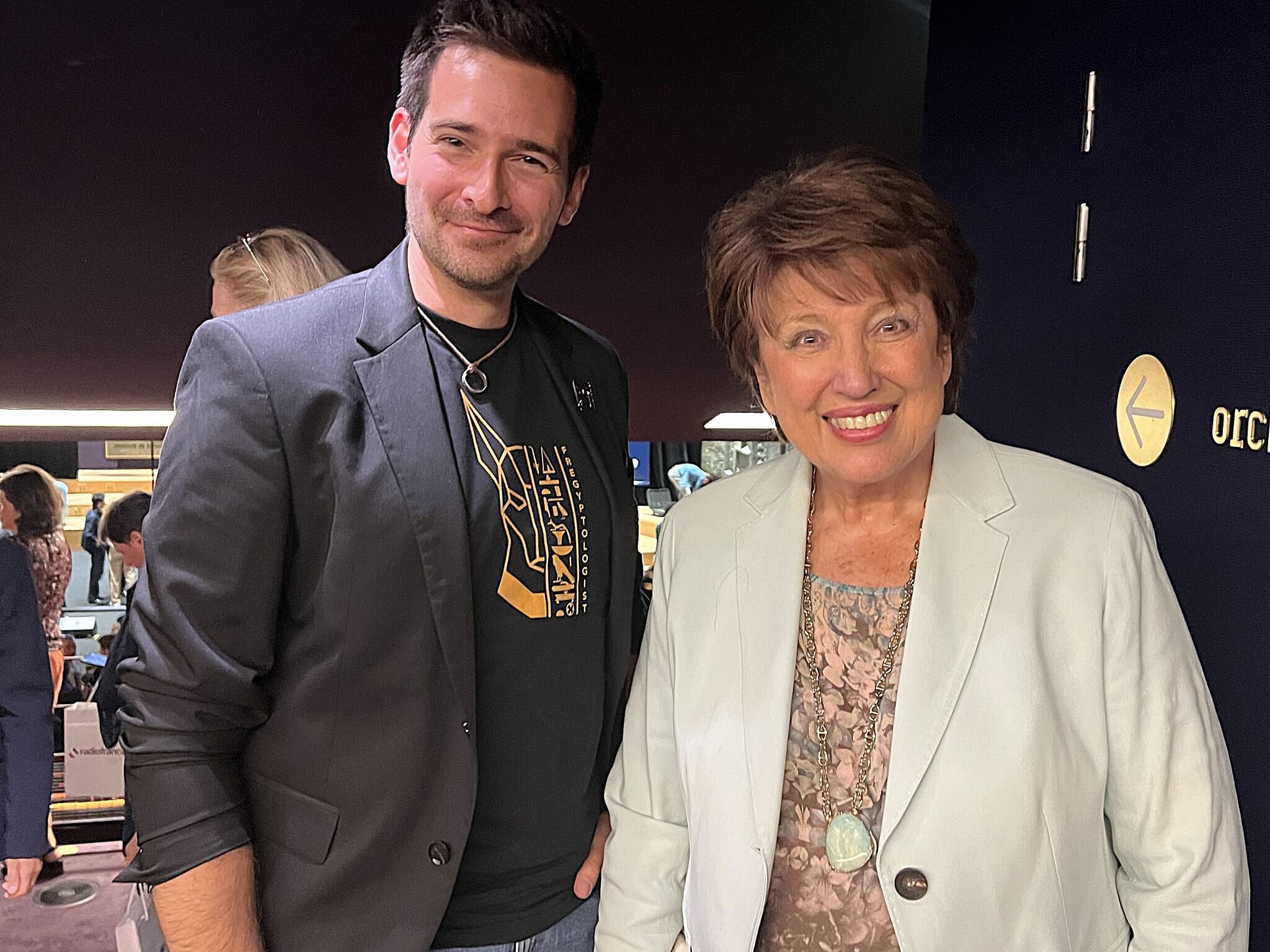
My appearance on Radio France was an opportunity to thank the woman who, as Minister of Culture, enabled me to become the first Egyptologist to climb the Concorde obelisk in order to carry out these observations: Ms. Roselyne Bachelot.
I would also like to thank Radio France for giving me the opportunity to publicly discuss this work.
Finally, my thanks go to all the media, editorial staff and journalists, in France and internationally, who relayed this research and contributed to its dissemination to a wide audience.